Mission and Identity: Revisiting the Legacies of David Asante, Theophilus Opoku, and Carl Christian Reindorf – Outstanding Indigenous African Scholars.
How can Christianity be authentically expressed in African societies without losing the rich cultural heritage and identity of its people?
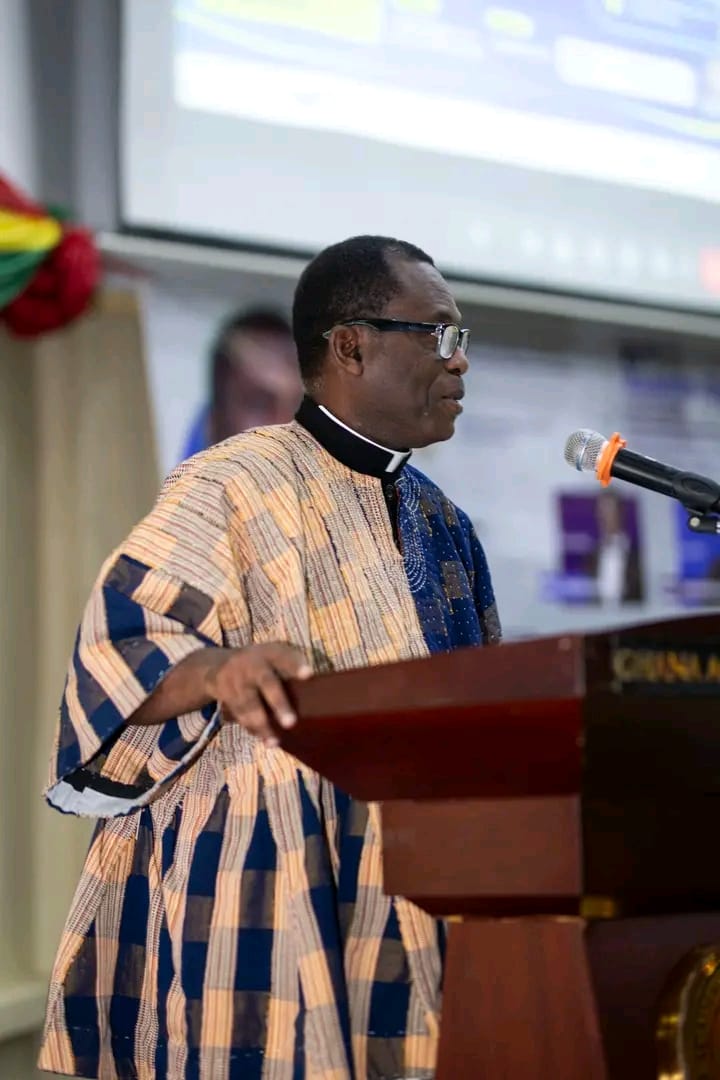
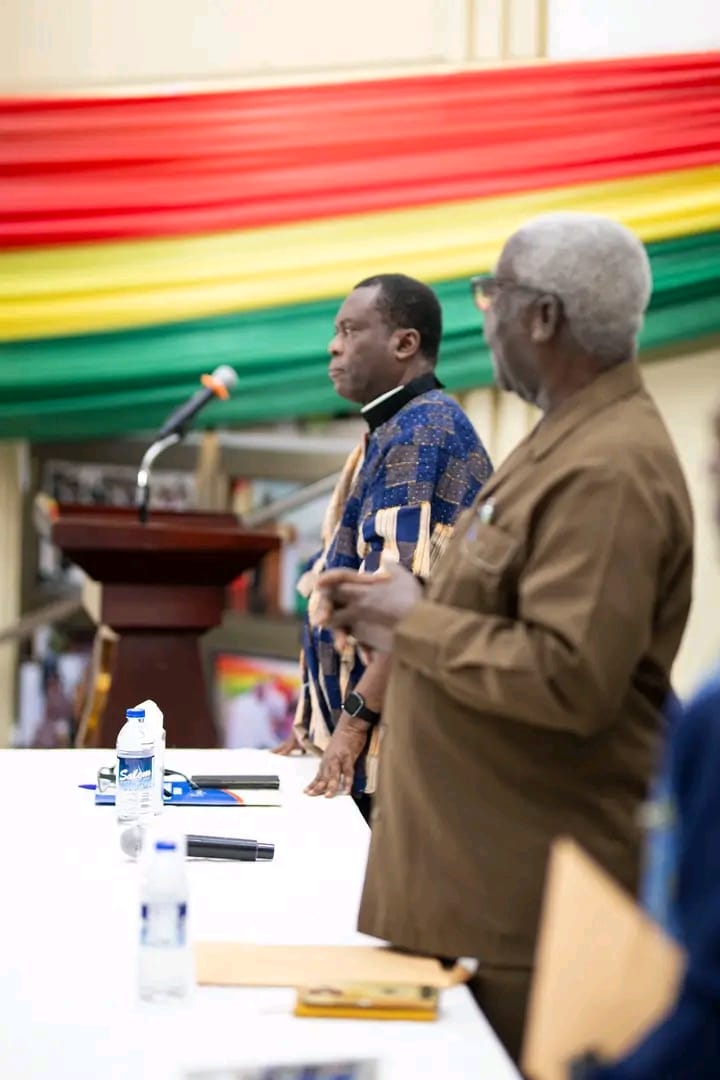
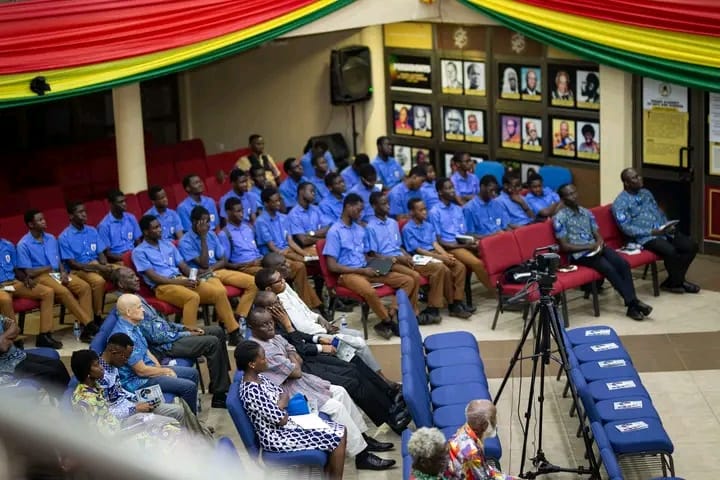
This profound question took center stage at our recent 21st Asante-Opoku-Reindorf Lecture, held at Ghana Academy of Arts and Sciences on Wednesday, 4 November 2026, delivered by Apostle Prof. Emmanuel Kwasi Anim, adjunct faculty of Akrofi Christaller Institute of Theology, Mission and Culture, chaired by chaired by Prof. Alfred Apau Oteng-Yeboah, FGA, Vice President (Sciences Section) of the Ghana Academy of Arts and Sciences (GAAS),
Revisiting the remarkable contributions of these three pioneering African Christian scholars, Apostle Prof. Anim highlighted how their missionary activities, Bible translations, educational initiatives, and historical writings helped establish an enduring relationship between the Christian faith and African cultural identity.
He explained that these indigenous scholars were not merely recipients of Western missionary Christianity but active contributors to the development of African Christian thought, demonstrating that the Gospel could be meaningfully communicated through African languages, traditions, and systems of knowledge.
Beyond their historical achievements, the lecture offered a compelling reflection on the Church’s contemporary responsibilities. Drawing attention to the devastating effects of illegal mining (galamsey), environmental destruction, and corruption in Ghana, Apostle Prof. Anim challenged Christians to reconsider the relationship between faith, cultural identity, and moral responsibility.
He emphasized that authentic Christian mission must go beyond individual conversion to transform communities and the social systems within which people live.
His presentation further underscored the importance of contextualization in Christian mission, bridging the gap between what Christians believe and how they live. The Gospel, he maintained, must transform the human heart, mind, and attitude while engaging meaningfully with people’s cultural realities.
The lecture was a timely reminder that Christianity and African identity need not exist in opposition. Rather, the transformative power of the Gospel must find meaningful expression within African societies, preserving what is valuable in their cultural heritage while challenging practices that undermine human dignity and flourishing.
The enduring legacies of David Asante, Theophilus Opoku and Carl Christian Reindorf continue to challenge the contemporary African Church to embrace a Christianity that is biblically grounded, culturally meaningful and socially transformative.